Carpentry plays a fundamental role in both the structure and appearance of a home. From framing and shelving to custom furniture and outdoor decks, well-executed carpentry improves durability and comfort. However, many problems caused by poor planning or environmental factors only appear months or years after installation.
Knowing what affects wood performance helps homeowners make better decisions and maintain carpentry work for long-term reliability.
1. Wood Naturally Expands and Contracts
Unlike concrete or steel, wood reacts continuously to humidity and temperature changes. Seasonal expansion and contraction can cause gaps, warped boards, or sticking doors if movement is not considered during installation.
Proper spacing and material selection allow wood to move safely without damaging surrounding structures.
2. Moisture Is the Biggest Threat to Wood
Excess moisture leads to swelling, rot, and mold growth. Areas exposed to humidity — such as kitchens, bathrooms, and outdoor decks — require treated or sealed materials designed for those environments.
The U.S. Forest Products Laboratory explains how moisture content directly impacts wood strength and lifespan.
3. Poor Fastening Causes Long-Term Failure
Many carpentry issues originate from incorrect fasteners rather than poor wood quality. Using the wrong nails or screws can lead to loosening joints and structural instability over time.
- Outdoor projects require corrosion-resistant fasteners.
- Structural framing needs load-rated connections.
- Cabinet installations depend on secure wall anchoring.

4. Measurements Matter More Than Materials
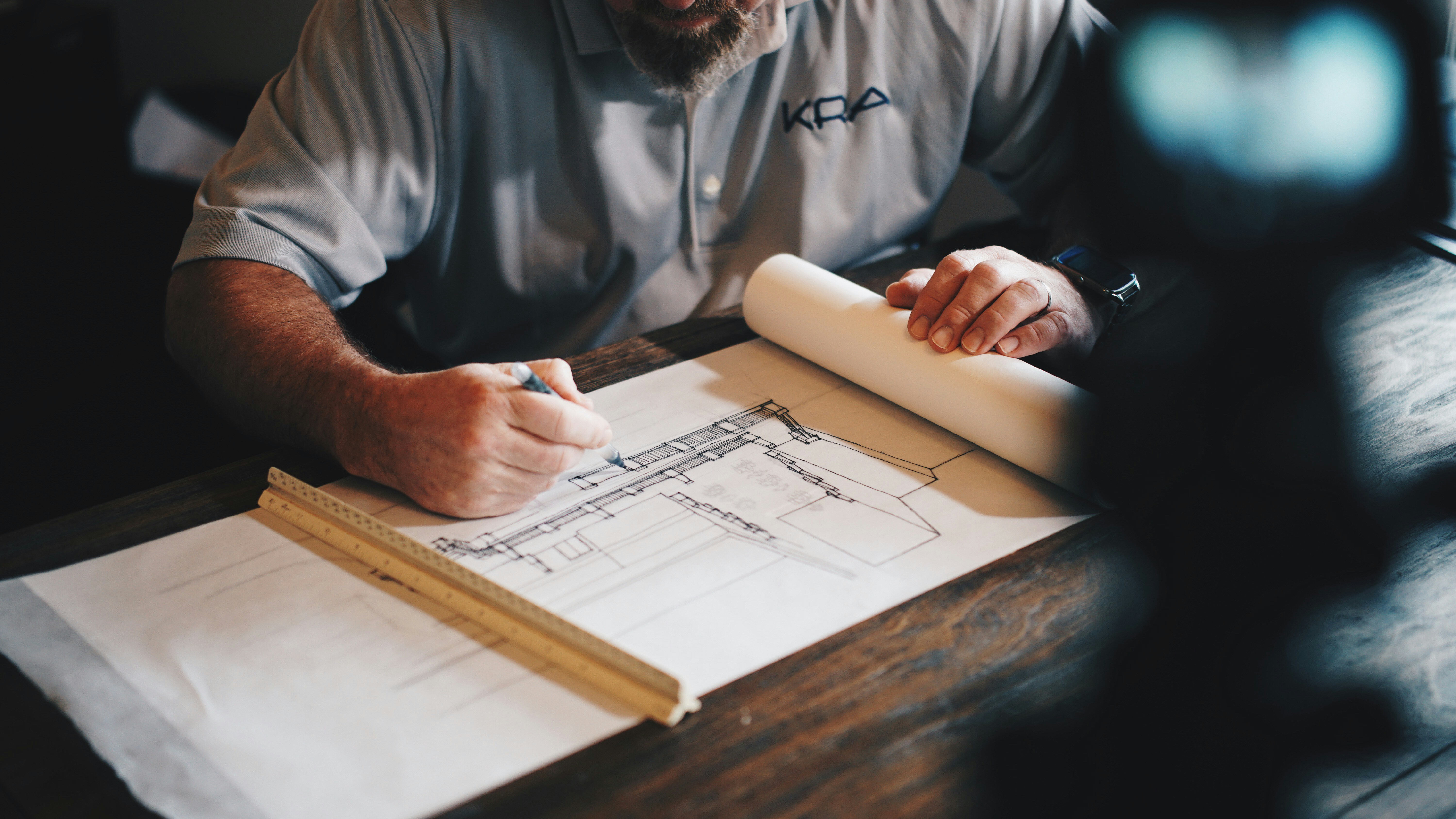
Precision measurement is one of the defining characteristics of quality carpentry. Even small measurement errors compound across larger installations, causing alignment problems with doors, flooring, and cabinetry.
Accurate layout planning ensures symmetry and reduces material waste.
5. Wood Selection Impacts Durability
Different wood species serve different purposes. Softwoods may work well indoors but deteriorate quickly outdoors without treatment. Hardwood options often provide greater resistance to wear but require proper finishing.
Helpful comparisons between wood types can be found at This Old House woodworking resources .
6. Finishing Protects More Than Appearance
Paints, stains, and sealants do more than improve aesthetics — they protect wood from UV exposure, moisture penetration, and insect damage.
Skipping protective finishes shortens the lifespan of carpentry projects significantly.
7. Ventilation Prevents Hidden Damage
Wood installed in poorly ventilated spaces can trap moisture, leading to unseen deterioration behind walls or beneath flooring. Proper airflow helps maintain stable humidity levels and prevents long-term decay.
8. Maintenance Extends Lifespan Dramatically
Routine maintenance keeps carpentry looking and performing well:
- Inspect outdoor wood annually.
- Reapply sealants when surfaces fade.
- Fix small cracks early.
- Keep water away from wooden bases.
Final Thoughts
Carpentry combines craftsmanship with an understanding of natural materials. Wood behaves differently from synthetic building materials, and successful projects account for movement, moisture, and environmental exposure.
By understanding how carpentry works and recognizing early warning signs of wear, homeowners can protect their investment and maintain functional, attractive living spaces for many years.
For additional woodworking insights and homeowner maintenance advice, visit Family Handyman woodworking guides , which offer practical tips for maintaining wood structures and installations.