Drain problems rarely happen overnight. Most clogged sinks, showers, and household drainage systems slowly accumulate debris for months before showing obvious warning signs. By understanding how drains actually fail, homeowners can prevent major plumbing disruptions and reduce the risk of expensive emergency repairs.
Many drainage issues are preventable with simple habits and early detection.
1. The Real Cause of Most Drain Blockages
Contrary to popular belief, drains usually do not clog because of a single large object. Instead, blockages form from layers of grease, soap residue, hair, food particles, and mineral buildup sticking to pipe walls over time.

As buildup thickens, water flow slows down until the pipe eventually becomes fully blocked.
2. Kitchen Drains: Grease Is the Biggest Problem
Cooking oils and fats may appear liquid when hot, but they solidify inside pipes as they cool. Over time, grease traps food debris and creates stubborn blockages.
- Pouring oil down sinks accelerates buildup.
- Hot water alone does not remove grease.
- Dish soap only temporarily moves the problem further down the pipe.
According to guidance from the U.S. Environmental Protection Agency , cooking oils should be disposed of separately rather than poured into drains.
3. Bathroom Drains and Hair Accumulation
Bathroom drains commonly clog due to hair binding together with soap residue. This combination creates dense blockages that restrict water flow gradually.
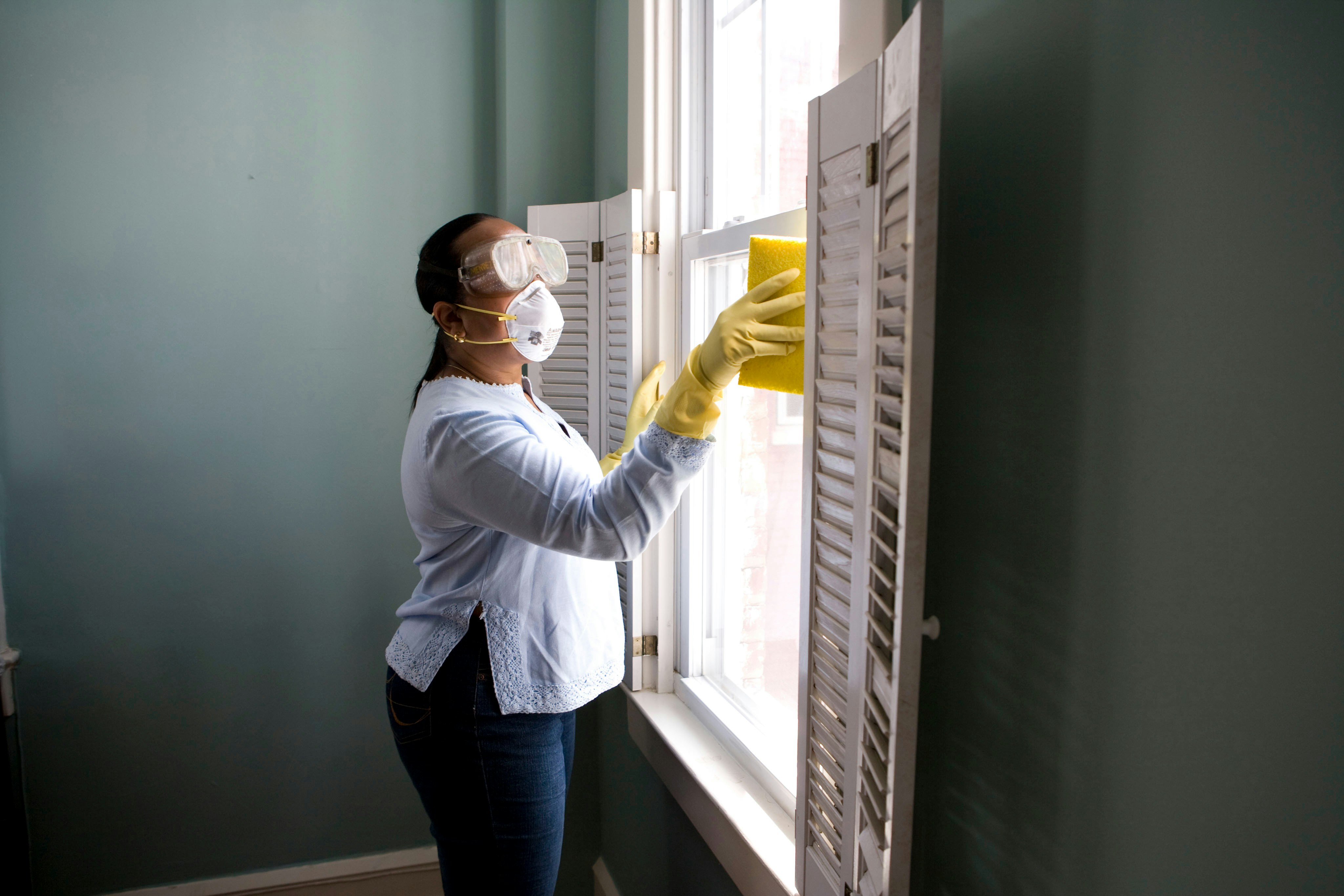
Installing simple drain strainers significantly reduces clog formation by preventing debris from entering pipes.
4. Hard Water and Mineral Buildup
In many regions, minerals found in hard water slowly coat pipe interiors. This reduces pipe diameter and allows debris to attach more easily.
Learn more about hard water effects from the U.S. Geological Survey water science resources .
5. Warning Signs Homeowners Often Ignore
Drain systems usually provide early warnings before a full blockage occurs:
- Water draining slower than normal
- Gurgling sounds from pipes
- Unpleasant odors from sinks
- Water backing up in nearby fixtures
Addressing these signs early prevents larger plumbing complications.
6. Why Chemical Drain Cleaners Can Make Things Worse
Many store-bought drain cleaners rely on strong chemicals that generate heat to dissolve blockages. While they may provide temporary relief, repeated use can weaken pipes and damage seals.

Mechanical cleaning methods and preventative maintenance are generally safer long-term solutions for household plumbing systems.
7. Preventative Habits That Keep Drains Flowing
Simple routine habits dramatically reduce the likelihood of clogs:
- Avoid pouring grease or oils into sinks.
- Use drain strainers in showers and basins.
- Flush drains monthly with hot water and mild detergent.
- Dispose of food waste properly instead of rinsing it away.
- Schedule periodic drain inspections for older homes.
8. When a Drain Problem Signals a Bigger Issue
Recurring clogs may indicate deeper problems such as tree root intrusion, pipe misalignment, or aging sewer lines. Educational resources from Family Handyman plumbing guides explain how underground pipe issues often begin with small drainage symptoms.
Final Thoughts
Drain systems are designed to last decades, but everyday habits heavily influence their performance. Understanding how clogs develop allows homeowners to prevent emergencies, maintain healthy plumbing systems, and avoid unnecessary disruptions.
Regular awareness and small preventative actions can keep household drains operating smoothly for years.