Modern household appliances promise efficiency, smart features, and energy savings — yet many homeowners notice something surprising: appliances don’t last as long as they used to. Refrigerators, washing machines, ovens, and dishwashers now experience failures earlier than previous generations.
Understanding why this happens helps homeowners prevent costly repairs and make smarter maintenance decisions long before a technician is needed.
1. Appliances Are More Electronic Than Mechanical
Older appliances relied heavily on mechanical components. Today’s appliances depend on circuit boards, sensors, and software-controlled systems. While these innovations improve efficiency, they also introduce new failure points.
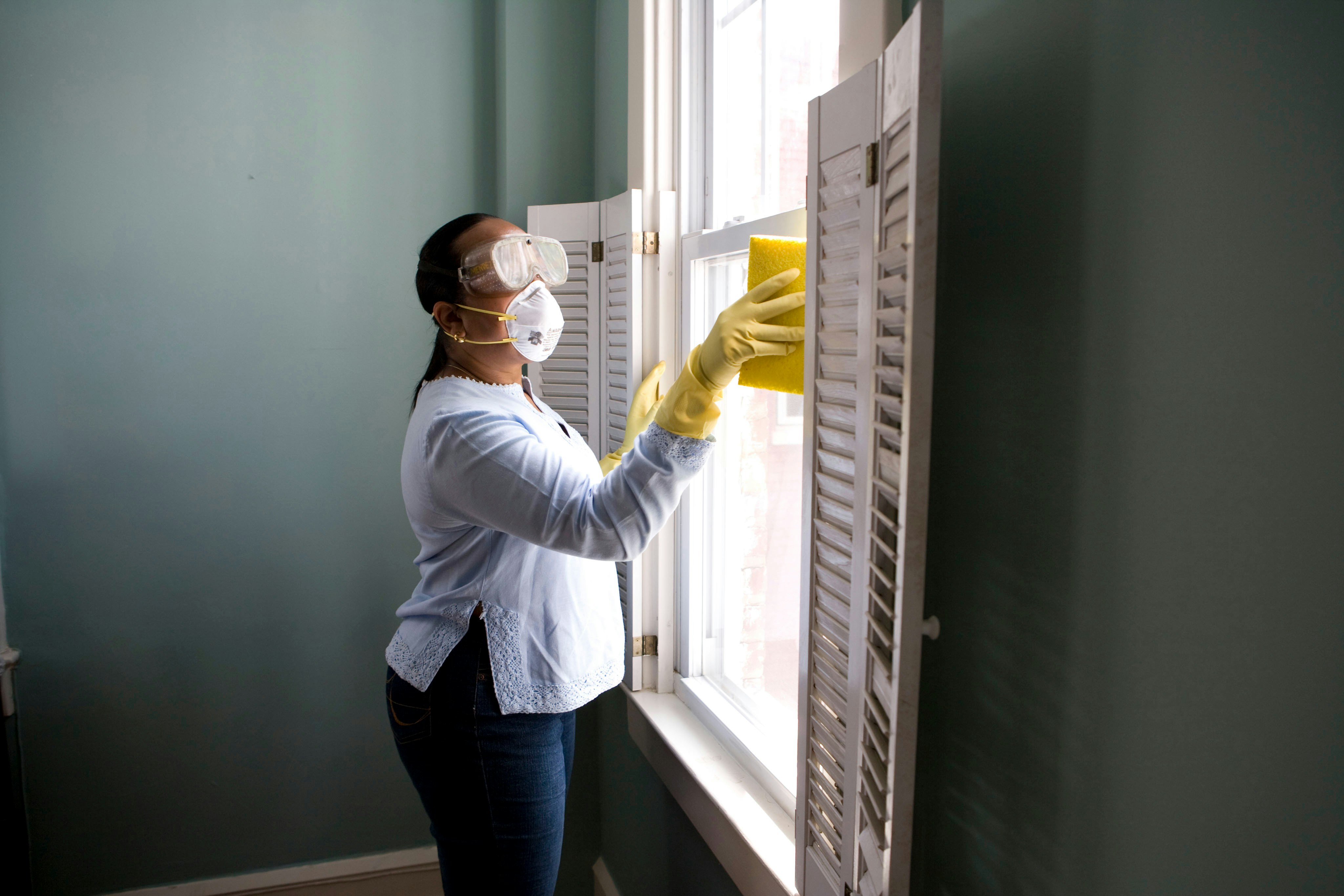
Power fluctuations, moisture exposure, or overheating can damage electronic boards — often becoming the most expensive part to replace.
2. Energy Efficiency Comes With Trade-Offs
Energy-efficient appliances use lighter materials and tighter operating tolerances. While this reduces electricity consumption, it can also mean parts wear out faster under heavy daily usage.
For example:
- High-efficiency washing machines spin faster, stressing bearings.
- Modern refrigerators run longer cooling cycles.
- Smart ovens rely on temperature sensors that degrade over time.
3. The Hidden Enemy: Poor Maintenance
Many appliance failures happen due to simple maintenance issues homeowners overlook.
- Blocked refrigerator coils cause overheating.
- Clogged dryer vents increase motor strain.
- Hard water buildup damages dishwashers and washing machines.
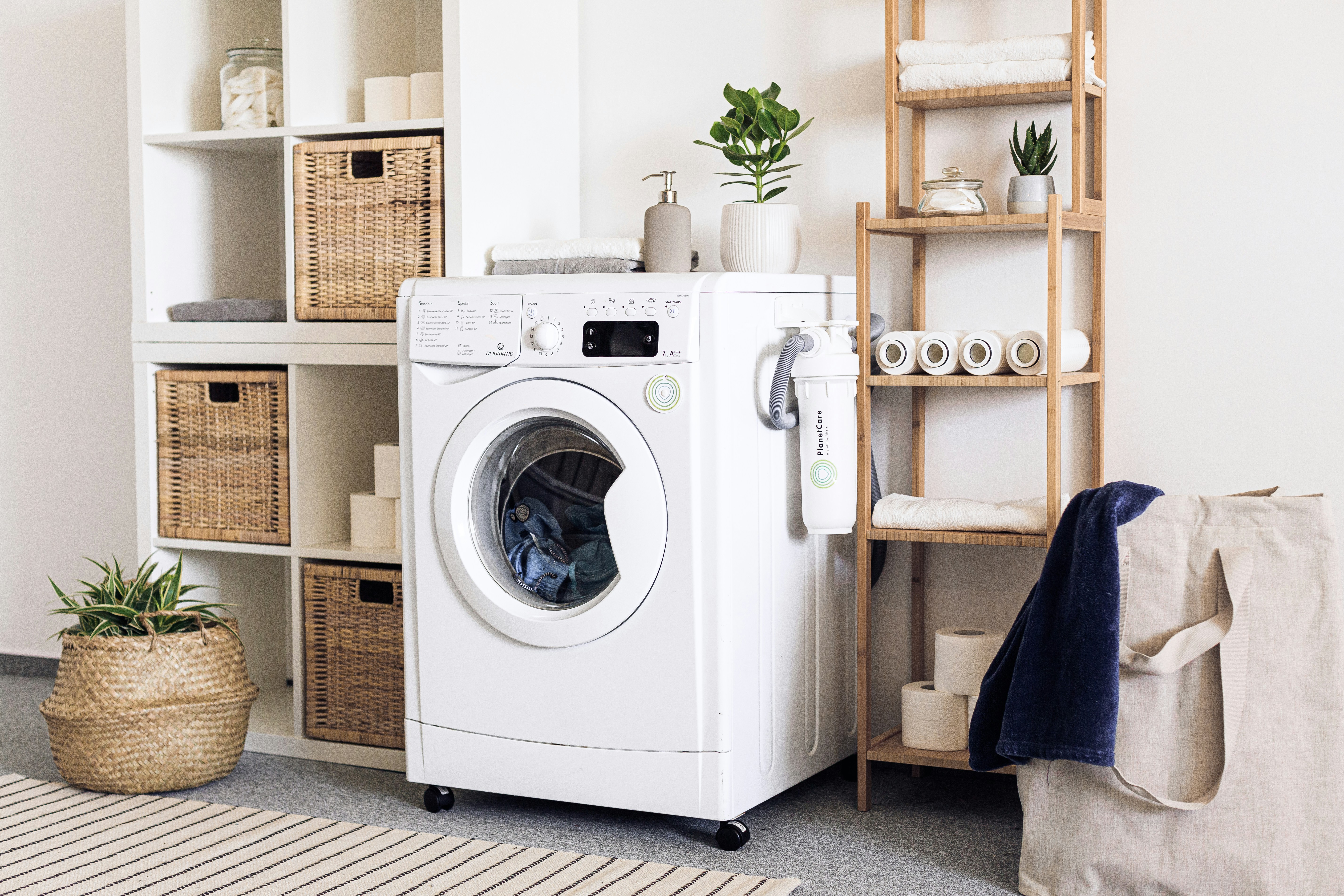
Routine cleaning every 3–6 months dramatically reduces breakdown risks.
4. Voltage Surges Damage Appliances Quietly
Electrical spikes often weaken appliance electronics without immediate failure. Weeks later, the appliance suddenly stops working.
Installing surge protection or unplugging sensitive appliances during storms can extend lifespan significantly.
Learn more about home electrical protection from U.S. Department of Energy appliance efficiency guide .
5. Overloading Appliances Shortens Lifespan
Many homeowners unintentionally overload washing machines or dryers. Consistent overloading forces motors and belts to operate beyond designed limits, leading to premature failure.
Manufacturers typically recommend filling machines only 70–80% of capacity for optimal performance.
6. When Repair Makes More Sense Than Replacement
A common mistake is replacing appliances too early. In many cases, repairing a single component restores years of functionality.
Consumer repair data from Consumer Reports appliance research shows that many appliance issues originate from replaceable parts rather than total system failure.

7. Simple Habits That Extend Appliance Life
Homeowners can dramatically increase appliance lifespan by following simple habits:
- Clean filters monthly.
- Leave refrigerator airflow space behind units.
- Use correct detergent amounts.
- Avoid running appliances during voltage instability.
- Schedule yearly inspections.
Final Thoughts
Appliances are essential to modern living, but understanding how they fail gives homeowners control over maintenance costs and unexpected breakdowns. Small preventative actions often save hundreds — sometimes thousands — in future repairs.
For deeper appliance maintenance guidance, homeowners can review resources from Family Handyman DIY guides , which provide practical upkeep recommendations for everyday equipment.
Being proactive with appliance care doesn’t just extend lifespan — it creates safer, more efficient homes.