Window cleaning may seem simple, but glass surfaces are constantly exposed to environmental conditions that cause buildup faster than most people expect. Dust, pollution, minerals, and even cleaning techniques themselves can affect how long windows stay clear.
Understanding why windows become dirty — and how glass reacts to its environment — helps homeowners maintain clearer views and reduce long-term surface damage.
1. Airborne Particles Constantly Settle on Glass
Outdoor air carries microscopic particles including dust, pollen, vehicle emissions, and industrial pollutants. These particles cling to glass surfaces through static electricity and moisture.

Urban environments and areas near roads experience faster buildup because airborne contaminants are continuously present.
- Traffic pollution creates oily residue.
- Pollen sticks during seasonal changes.
- Wind deposits fine sand and dust.
2. Rain Does Not Clean Windows
Many people assume rainfall washes windows naturally, but rainwater often leaves mineral deposits behind. As water evaporates, dissolved minerals remain on the glass surface, creating spots and streaks.
Hard water regions experience more visible spotting due to higher mineral content.
3. Improper Cleaning Products Cause Faster Re-Soiling
Some household cleaners leave invisible residues that attract dust and dirt. Soap-heavy solutions can create a thin film that causes windows to become dirty more quickly.
Professional glass care recommendations from the International Sanitary Supply Association (ISSA) highlight the importance of residue-free cleaning methods.
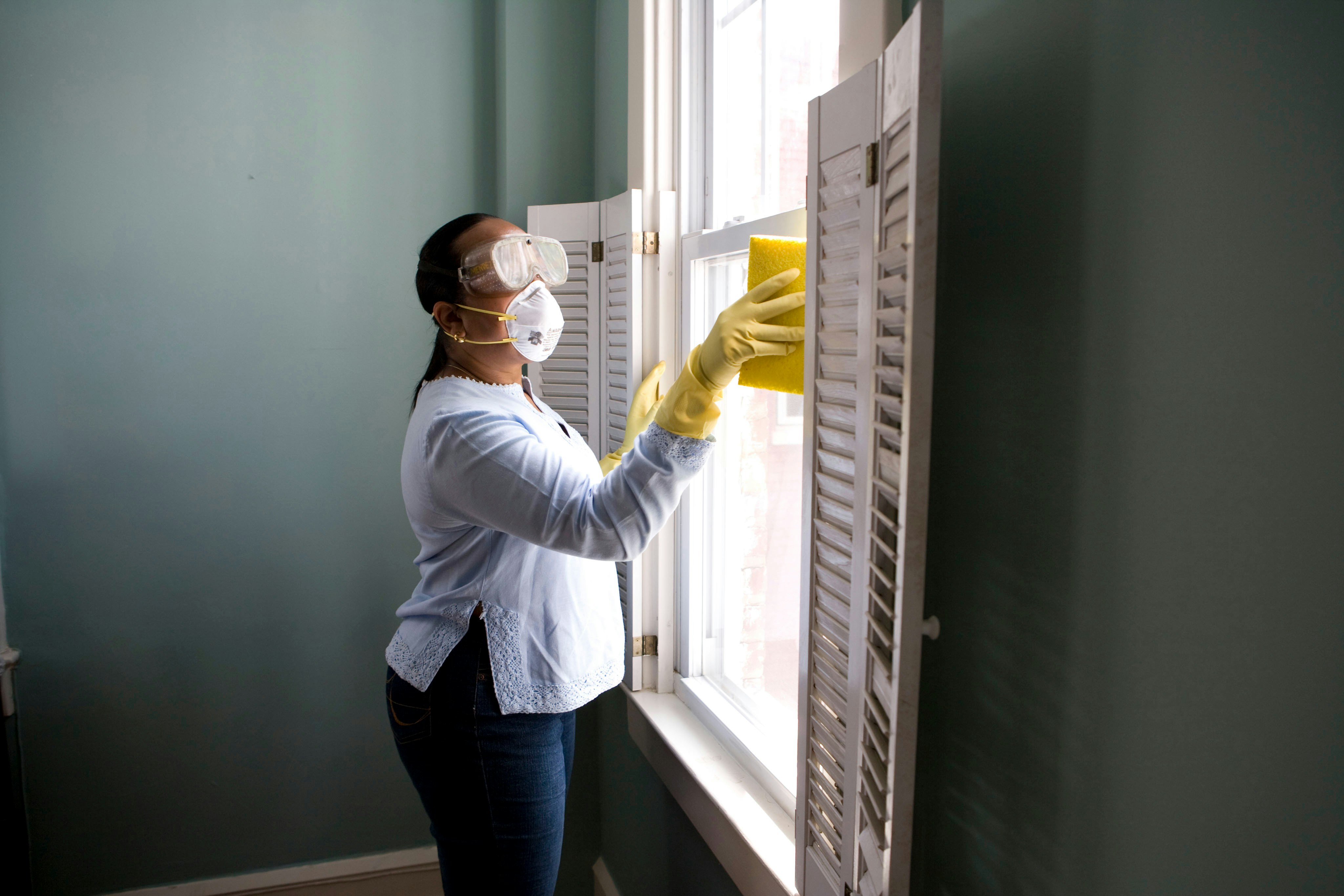
4. Window Frames Contribute to Dirt Buildup
Dirt often originates from surrounding materials rather than the glass itself. Aging seals, dusty frames, and clogged window tracks release debris during wind or rain.
- Rubber seals deteriorate over time.
- Tracks collect moisture and dust.
- Nearby construction increases airborne particles.
5. Sunlight Makes Streaks More Visible
Direct sunlight does not cause dirt but highlights residue left behind during cleaning. Cleaning windows in strong sunlight often causes cleaning solution to dry too quickly, leaving streak marks.
Cleaning during cooler parts of the day helps reduce this effect.
6. Hard Water Stains Can Permanently Damage Glass
Mineral deposits left untreated may chemically bond with glass surfaces. Over time, this creates etching that cannot be removed through standard cleaning.
Glass maintenance information published by the National Glass Association explains how mineral exposure affects long-term clarity.
7. Simple Habits That Keep Windows Cleaner Longer
Homeowners can extend the time between cleanings with a few preventative steps:
- Rinse windows periodically to remove dust buildup.
- Clean frames and tracks alongside glass.
- Avoid soap-heavy cleaning solutions.
- Trim nearby plants that release pollen or sap.
- Inspect seals to prevent debris accumulation.
Final Thoughts
Clean windows are not only about appearance — they improve indoor lighting, visibility, and overall property maintenance. Understanding how environmental factors affect glass helps homeowners maintain clarity while protecting window surfaces from long-term damage.
Additional home maintenance guidance can be found through Family Handyman window care resources , which provide practical upkeep advice for residential properties.
With proper techniques and preventative care, windows can stay cleaner longer while maintaining their transparency and durability.