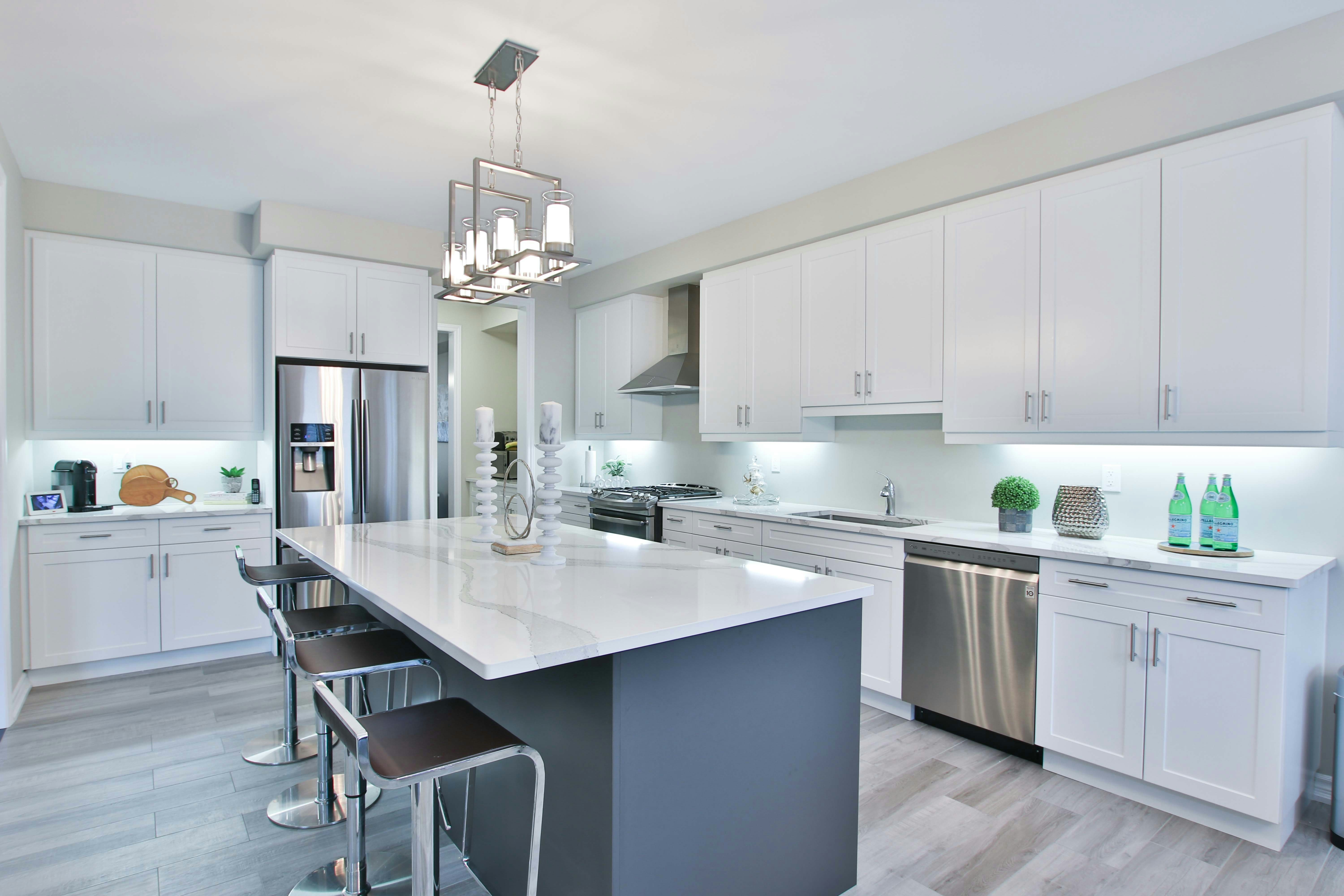
Countertops play a central role in kitchens and bathrooms, handling daily exposure to heat, moisture, weight, and constant use. While homeowners often focus on choosing materials like granite, quartz, or laminate, long-term durability depends heavily on correct installation practices.
Many countertop problems — including cracks, uneven seams, and water damage — originate from preparation mistakes that are rarely visible once installation is complete.
1. Cabinet Support Must Be Perfectly Level
Countertops rely entirely on the cabinetry beneath them for structural support. Even small leveling issues can place stress on rigid materials, eventually leading to cracks or separation at seams.

Before installation, cabinets should be checked for:
- Level alignment across all surfaces
- Secure anchoring to walls
- Proper weight distribution
- No movement or flexing
2. Different Materials Require Different Handling
Each countertop material behaves differently under pressure and temperature changes.
- Granite: Strong but brittle under uneven stress.
- Quartz: Durable but sensitive to excessive heat.
- Laminate: Affordable but vulnerable to moisture intrusion.
- Solid surface: Repairable but requires precise joining.
Material comparison guidance can be found at Consumer Reports countertop buying guide .
3. Seam Placement Affects Both Strength and Appearance
Large countertop areas often require seams where pieces join together. Poor seam placement may make joins visible or expose weak points under heavy use.
Seams perform best when positioned away from sinks, cooktops, and high-traffic preparation zones.

4. Sink and Appliance Cutouts Need Reinforcement
Cutouts for sinks and cooktops reduce structural strength in surrounding areas. Without reinforcement, these sections are more likely to crack under pressure or vibration.
- Undermount sinks require strong support brackets.
- Large cutouts need proper load distribution.
- Incorrect cutting increases fracture risk.
5. Moisture Protection Prevents Hidden Damage
Water exposure around sinks and backsplashes can penetrate seams if sealing is inadequate. Over time, trapped moisture may weaken cabinetry and create swelling or staining.
Helpful kitchen moisture management tips are available through This Old House kitchen improvement resources .
6. Expansion Space Is Often Forgotten
Countertop materials expand slightly with temperature changes. Tight installations without expansion gaps can cause stress buildup, leading to cracks or lifting edges.
7. Maintenance Starts Immediately After Installation
Proper early care helps countertops maintain appearance and durability:
- Avoid placing heavy weight near unsupported edges.
- Use cutting boards instead of direct cutting.
- Clean spills quickly to prevent staining.
- Use heat protection under hot cookware.
Final Thoughts
Countertop installation combines precision measurement, structural preparation, and material knowledge. When properly installed and maintained, countertops can remain functional and visually appealing for many years.
Understanding how installation influences durability helps homeowners make informed decisions and prevent avoidable damage.
For additional kitchen planning and maintenance ideas, homeowners can explore Houzz kitchen design resources , which provide practical insights into long-lasting kitchen improvements.
Careful preparation and thoughtful use ensure countertops continue performing as one of the most valuable surfaces in the home.