Painting is one of the most common home improvement projects, yet it is also one of the most misunderstood. Many homeowners focus on color selection while overlooking the preparation and environmental factors that determine how long paint will actually last.
A properly applied paint system does more than improve appearance — it protects surfaces from moisture, sunlight, and everyday wear.
1. Surface Preparation Determines Paint Lifespan
The most frequent reason paint fails is poor surface preparation. Dust, grease, moisture, or peeling layers prevent new paint from bonding correctly.
- Walls should be cleaned before painting.
- Loose or flaking paint must be removed.
- Cracks and holes should be filled and sanded.
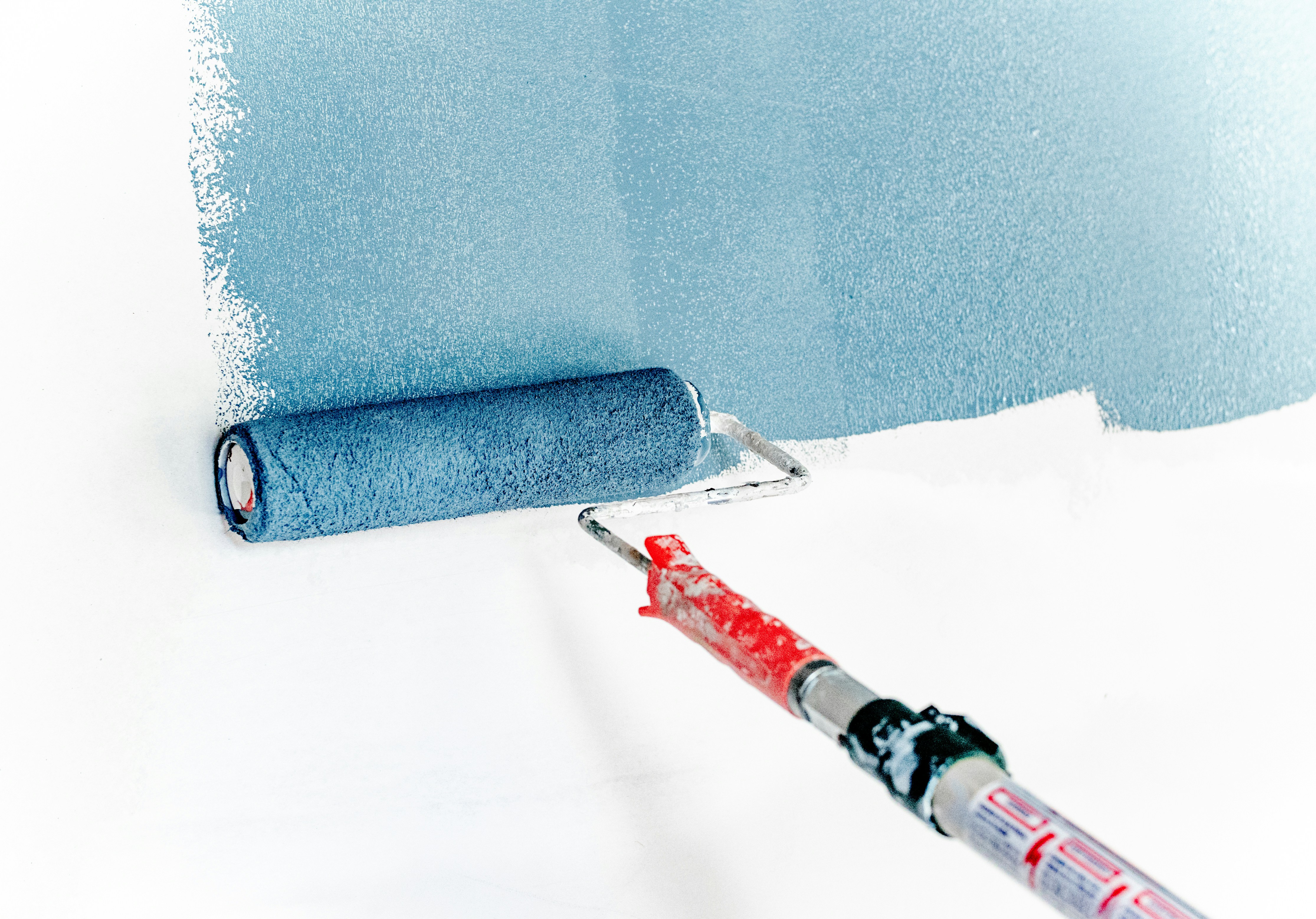
Skipping preparation often leads to peeling, bubbling, or uneven finishes within months.
2. Primer Is Not Optional
Primer creates a bonding layer between the surface and paint. Without primer, paint absorbs unevenly and may fade or peel prematurely.
Primer is especially important when:
- Painting new drywall or plaster.
- Changing from dark to light colors.
- Painting exterior surfaces exposed to weather.
3. Weather Conditions Affect Exterior Paint
Exterior paint performance depends heavily on temperature and humidity during application. Painting during extreme heat or high moisture levels prevents proper curing.
According to recommendations from Energy.gov weatherization resources , environmental exposure significantly affects building materials and protective coatings.
4. Paint Quality Makes a Long-Term Difference
Higher-quality paints contain better pigments and binders, allowing them to resist fading, cracking, and mildew growth longer than cheaper alternatives.
While premium paint costs more initially, it often requires fewer coats and lasts several years longer.
5. Moisture Is Paint’s Biggest Enemy
Moisture trapped behind paint causes bubbling and peeling. Common sources include leaks, poor ventilation, or damp walls.
- Bathrooms and kitchens require moisture-resistant paint.
- Exterior walls need proper sealing.
- Ventilation reduces condensation buildup.
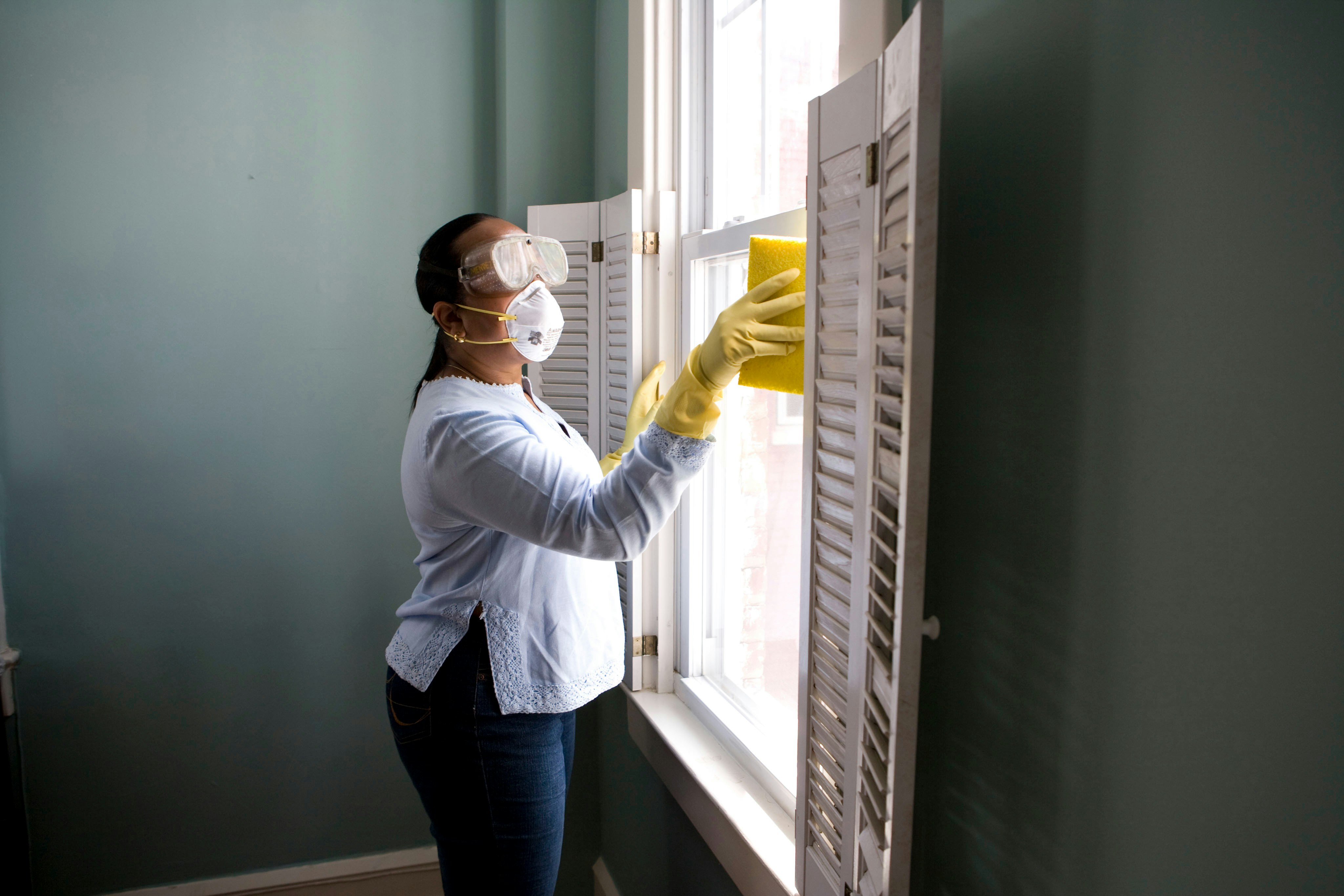
Guidance on managing indoor moisture can be found in EPA moisture and mold prevention resources .
6. Tools and Application Technique Matter
The tools used during painting affect finish quality and durability. Proper rollers, brushes, and application techniques ensure even coverage and strong adhesion.
- Thin coats perform better than thick layers.
- Consistent rolling direction prevents streaks.
- Allowing drying time between coats improves durability.
7. Maintenance Extends Paint Life
Even high-quality paint benefits from occasional maintenance:
- Clean exterior walls annually.
- Repair cracks early.
- Touch up damaged areas before moisture spreads.
Small preventative actions can add years to a paint job’s lifespan.
Final Thoughts
Painting is not just decorative — it acts as a protective barrier for homes and buildings. Understanding preparation, materials, and environmental conditions helps homeowners achieve finishes that remain attractive and durable for much longer.
A thoughtful approach to painting reduces maintenance costs and keeps living spaces looking fresh while protecting structural surfaces underneath.