Window coverings are often treated as a finishing touch in home design, yet blinds and shutters play a major role in comfort, energy efficiency, and indoor privacy. Many homeowners choose based purely on appearance, only to discover later that the option they selected doesn’t suit their lifestyle or environment.
Understanding how blinds and shutters function differently helps homeowners avoid costly replacements and improve long-term satisfaction.
1. Blinds and Shutters Serve Different Purposes
Although both control light and privacy, blinds and shutters are built differently and perform distinct roles within a home.
- Blinds use flexible slats or fabric for adjustable light control.
- Shutters are rigid structures attached permanently to window frames.

Blinds typically offer affordability and versatility, while shutters provide durability and architectural enhancement.
2. Energy Efficiency Is Often Overlooked
Window coverings significantly influence indoor temperature. Poor insulation around windows allows heat gain during summer and heat loss during winter.
According to energy-saving guidance from the U.S. Department of Energy window efficiency resources , proper window treatments can help reduce energy consumption by limiting thermal transfer.
Shutters generally provide stronger insulation due to their solid construction, while certain blinds rely on reflective or cellular designs for improved efficiency.
3. Maintenance Requirements Differ Greatly
Maintenance is one of the most common regrets homeowners report after installation.
- Fabric blinds may collect dust and require regular cleaning.
- Wood shutters need occasional polishing.
- Aluminum blinds resist moisture but can bend easily.
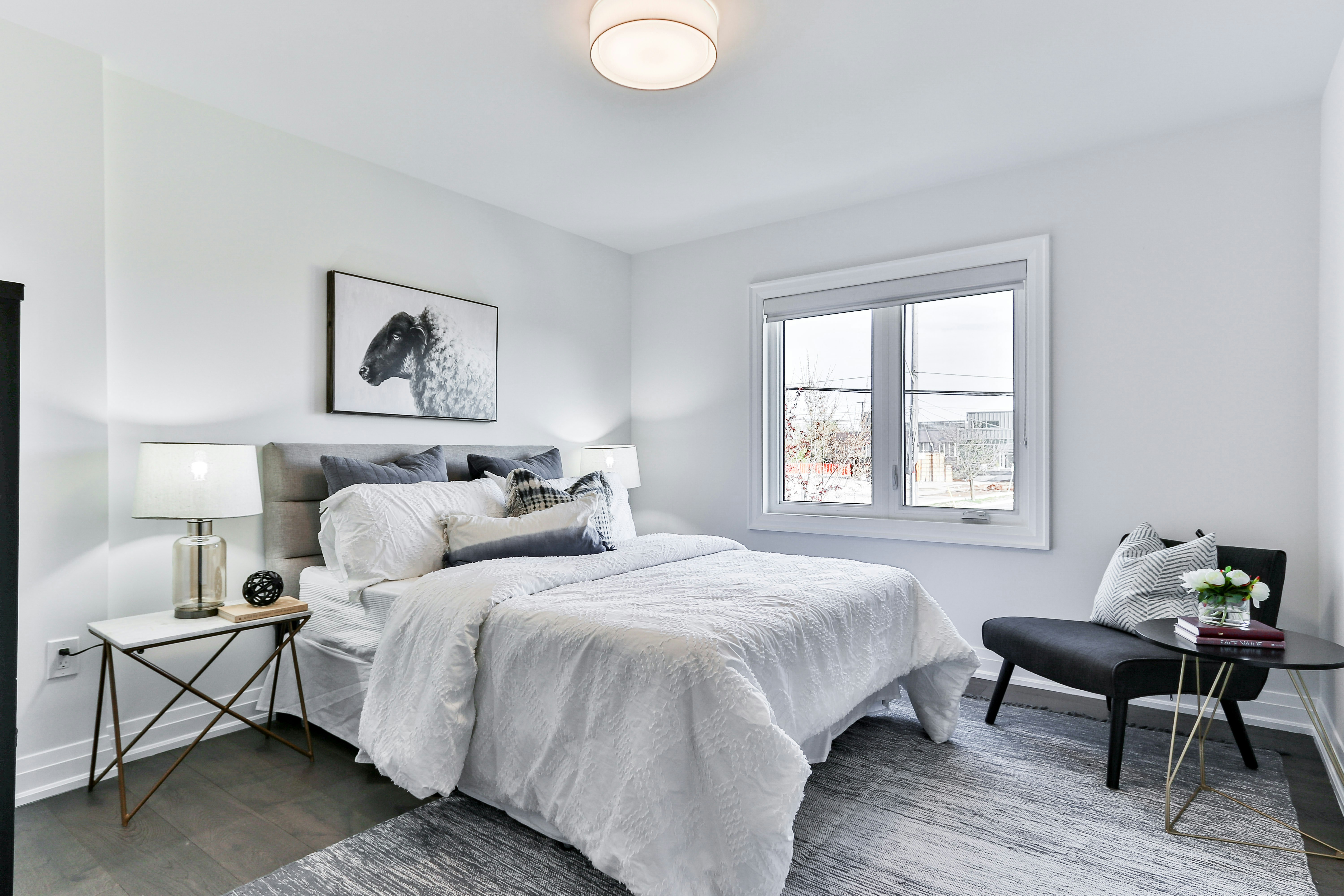
Choosing materials based on room conditions — especially kitchens and bathrooms — prevents premature wear.
4. Light Control Impacts Daily Comfort
Different rooms require different light control strategies. Bedrooms benefit from stronger light blocking, while living spaces often need adjustable natural light throughout the day.
Shutters allow wide-angle light adjustment, while blinds provide finer incremental control depending on slat size and orientation.
5. Moisture Resistance Matters in Certain Rooms
Bathrooms and kitchens expose window coverings to humidity and temperature changes. Materials not designed for moisture environments may warp or develop mold over time.
Helpful material comparisons can be explored through This Old House window improvement guides , which explain performance differences across environments.
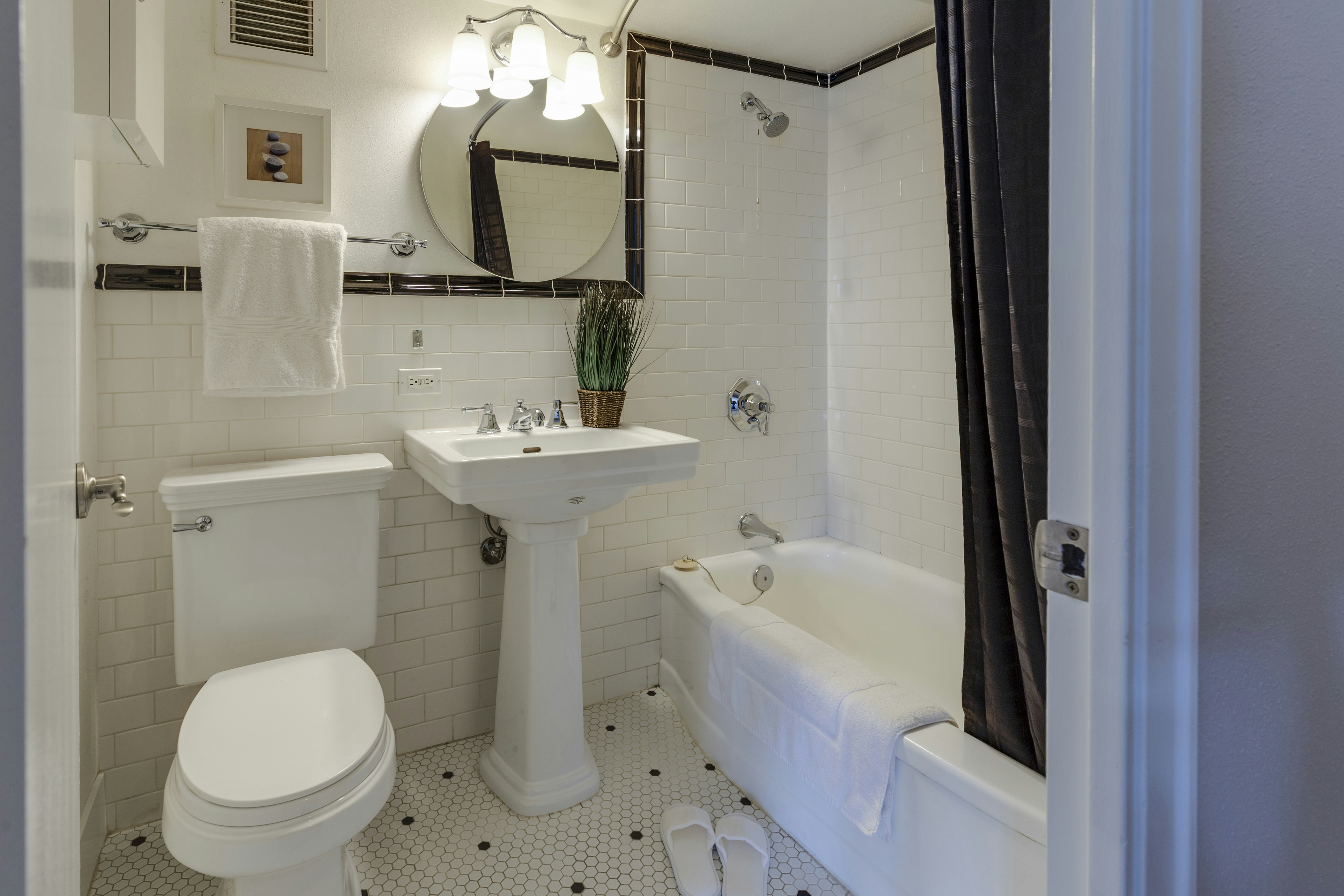
6. Privacy Needs Change Throughout the Day
Urban and suburban homes often require flexible privacy control. Adjustable coverings allow homeowners to maintain daylight while limiting outside visibility.
Top-down or tilting systems are increasingly popular because they balance privacy with natural lighting.
7. Long-Term Value vs Initial Cost
Blinds usually cost less upfront, making them suitable for quick upgrades or rental properties. Shutters often cost more initially but may last significantly longer and become part of the home's permanent features.
Understanding long-term value rather than only installation price helps homeowners make better investment decisions.
Final Thoughts
Choosing between blinds and shutters involves more than style preference. Factors such as insulation, maintenance, moisture exposure, and lighting needs determine which option performs best over time.
Homeowners who evaluate how each room functions — rather than following trends — typically achieve better comfort, efficiency, and durability from their window coverings.
For additional design ideas and practical window treatment advice, visit Houzz window treatment inspiration , which showcases a wide range of functional interior solutions.
Thoughtful planning ensures window coverings enhance both the appearance and everyday usability of a home.