A kitchen remodel can transform how a home looks and functions, but successful renovations are rarely about trends alone. Many homeowners focus on appearance while overlooking practical design factors that affect daily usability and long-term value.
Before starting a kitchen renovation, understanding common planning mistakes helps prevent overspending and ensures the final space works efficiently for years to come.
1. Ignoring the Kitchen Work Triangle
One of the most important concepts in kitchen design is the “work triangle,” which connects the sink, refrigerator, and cooking area. Poor placement forces unnecessary movement and makes everyday cooking inefficient.
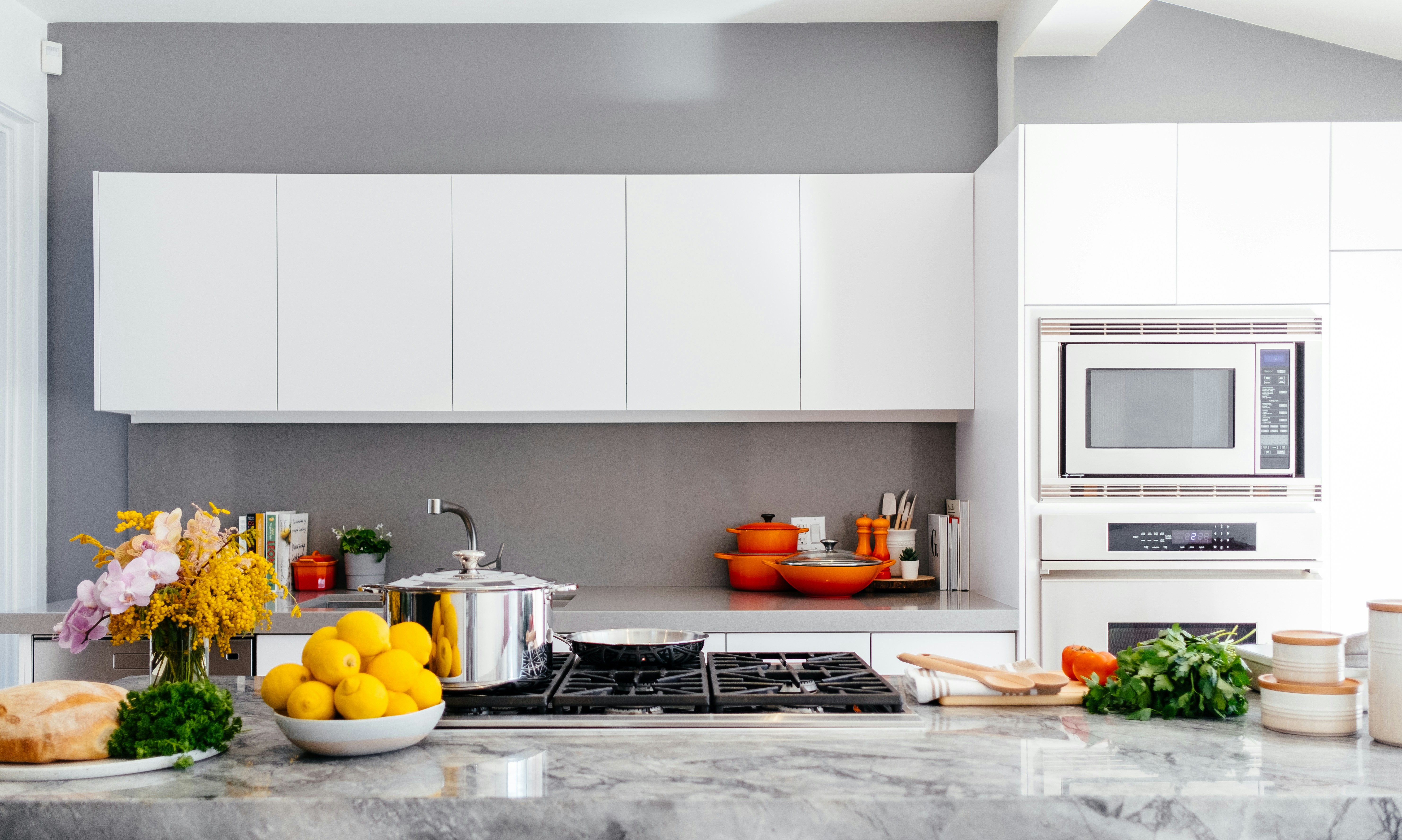
A balanced layout reduces walking distance while maintaining enough space for safe movement and workflow.
2. Choosing Style Over Function
Trendy finishes may look appealing initially, but functionality should guide material choices. Cabinets, countertops, and flooring must withstand heat, moisture, and daily wear.
- Glossy surfaces show fingerprints easily.
- Soft materials scratch faster.
- Low-quality cabinetry may sag over time.
Durability often matters more than short-term aesthetics.
3. Poor Lighting Planning
Many kitchens rely only on ceiling lighting, creating shadows across preparation areas. Effective kitchens combine multiple lighting layers:
- Ambient lighting: general room illumination.
- Task lighting: under-cabinet lights for preparation zones.
- Accent lighting: highlights design features.
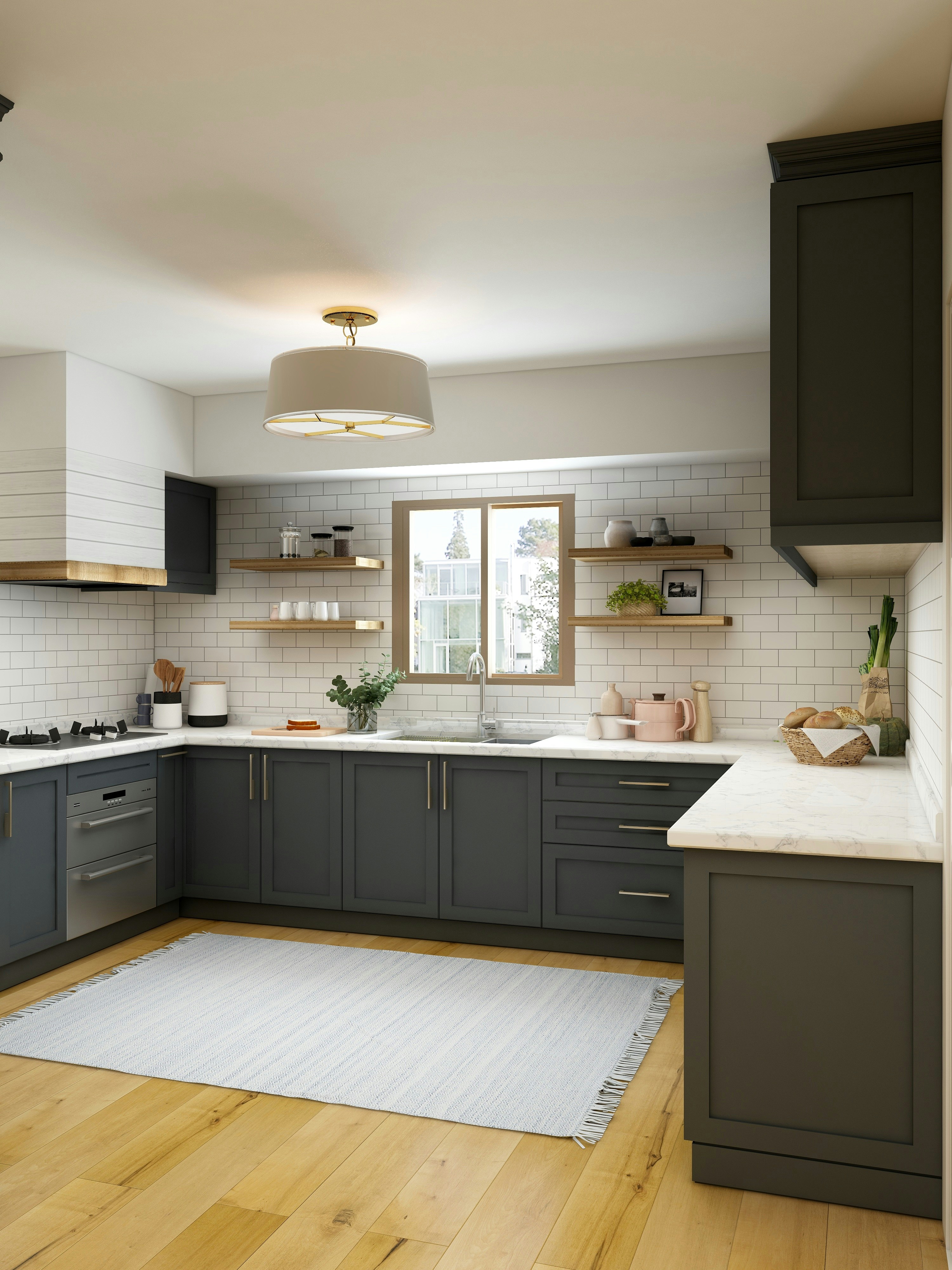
Proper lighting improves safety and enhances the overall cooking experience.
4. Storage Is Often Underestimated
A visually clean kitchen can quickly become cluttered without adequate storage planning. Modern remodeling focuses on smart storage solutions rather than simply adding more cabinets.
- Deep drawers improve accessibility.
- Corner storage systems reduce wasted space.
- Vertical storage maximizes smaller kitchens.
Design recommendations from Houzz kitchen design resources highlight how storage planning influences long-term satisfaction.
5. Ventilation Is Frequently Overlooked
Proper ventilation removes heat, grease, and moisture generated during cooking. Without adequate airflow, kitchens may develop lingering odors and excess humidity.
Guidance from the U.S. Department of Energy kitchen efficiency guide emphasizes ventilation as a key factor in indoor air quality.
6. Electrical Planning for Future Needs
Modern kitchens depend on multiple appliances and charging devices. Insufficient outlets or poorly positioned power points often become noticeable only after renovation is complete.
Planning for future appliance upgrades ensures the kitchen remains functional as technology evolves.
7. Budgeting Only for Visible Costs
Many remodeling budgets focus on finishes while underestimating hidden expenses such as plumbing adjustments, electrical upgrades, or structural corrections.
Setting aside contingency funds helps prevent delays and unexpected compromises during construction.
Final Thoughts
A successful kitchen remodel balances aesthetics with functionality. Thoughtful planning, practical layouts, and durable materials create spaces that remain comfortable and efficient long after design trends change.
By focusing on usability, storage, lighting, and long-term performance, homeowners can ensure their kitchen renovation becomes a lasting improvement rather than a short-lived upgrade.