Flooring is one of the most used surfaces in any home, supporting constant foot traffic, furniture weight, moisture exposure, and temperature changes. While modern flooring materials offer impressive designs and durability claims, many failures occur due to installation conditions rather than material quality alone.
Understanding what affects flooring performance helps homeowners extend lifespan and maintain appearance over time.
1. The Subfloor Determines Long-Term Performance
The visible floor surface is only part of the system. Beneath it lies the subfloor, which provides structural support and stability. Uneven or damaged subfloors often cause squeaking, shifting, or cracking floors.
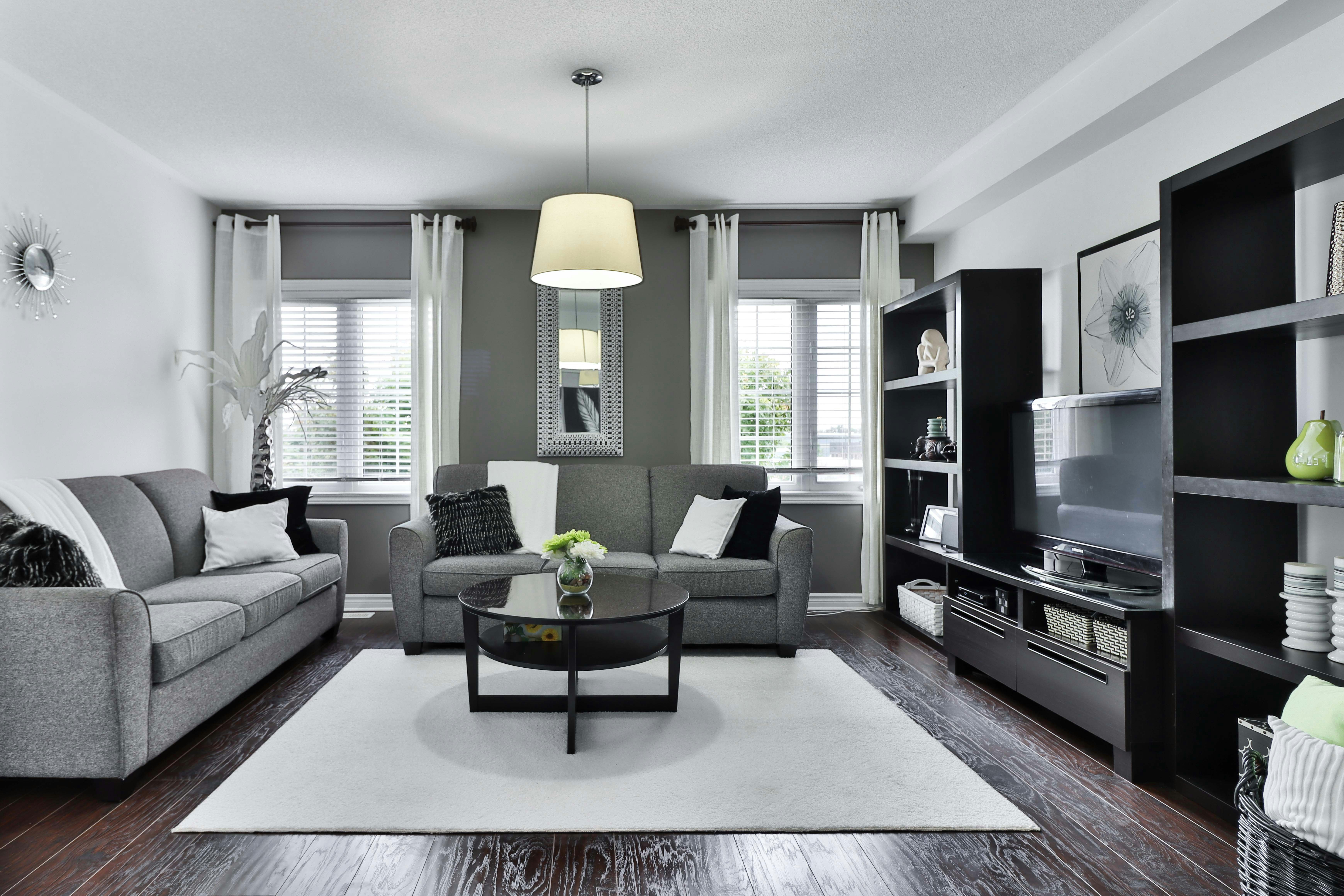
Proper preparation ensures flooring remains level and secure under daily use.
2. Moisture Is the Leading Cause of Flooring Damage
Moisture affects nearly every flooring type differently. Wood may expand, laminate can swell, and adhesive bonds may weaken under damp conditions.
- Hidden leaks damage flooring from below.
- Humidity changes cause expansion and contraction.
- Poor ventilation increases long-term wear.
Indoor moisture control recommendations from the U.S. Environmental Protection Agency indoor air quality resources highlight the importance of humidity management in homes.
3. Expansion Gaps Prevent Buckling
Many flooring materials naturally expand and contract with temperature changes. Installation requires small expansion gaps around walls and fixed objects to allow movement.
Without these gaps, flooring may lift or buckle over time.

4. Not All Flooring Fits Every Room
Each flooring material performs best in specific environments:
- Hardwood works well in dry living spaces.
- Tile handles moisture in kitchens and bathrooms.
- Vinyl performs well in high-traffic areas.
- Carpet improves comfort and sound absorption.
Choosing flooring based on room conditions improves longevity and performance.
Material comparison guidance is available through Consumer Reports flooring resources .
5. Temperature Changes Affect Floor Stability
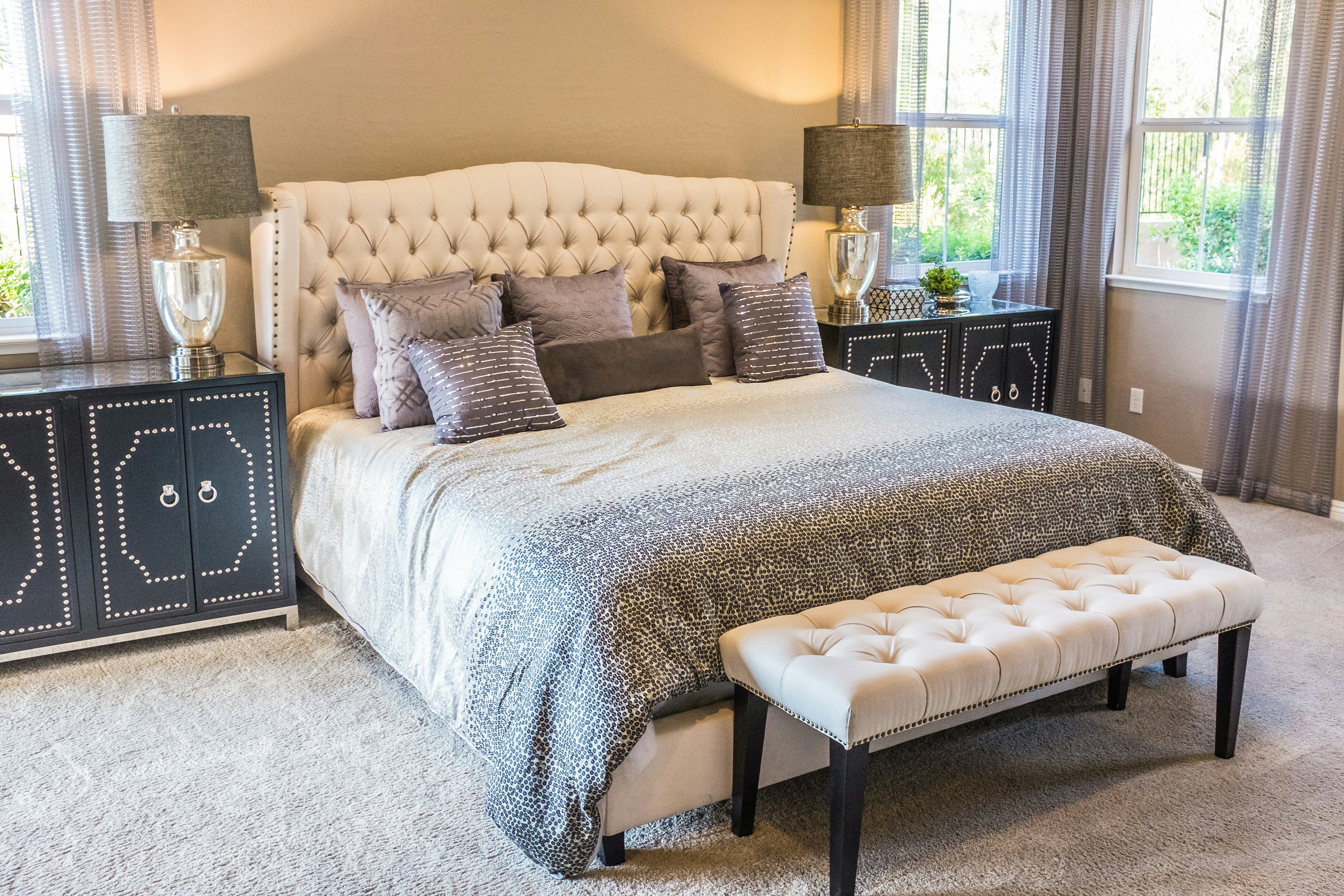
Direct sunlight, heating systems, and seasonal changes influence flooring movement. Uneven heating or cooling can create localized expansion, leading to gaps or surface distortion.
6. Maintenance Habits Influence Lifespan
Improper cleaning methods often shorten flooring life more than daily use.
- Excess water damages seams and adhesives.
- Abrasive cleaners scratch protective coatings.
- Dragging furniture causes surface wear.
Using protective pads and appropriate cleaning techniques preserves flooring appearance.
7. Early Warning Signs of Flooring Problems
Homeowners should monitor floors for early indicators of damage:
- Soft or spongy areas
- Gaps between boards
- Squeaking sounds when walking
- Discoloration or swelling
Addressing small issues early prevents widespread repairs.
8. Long-Term Value Comes From Proper Installation
Even premium flooring materials depend on correct installation methods. Surface preparation, moisture barriers, and acclimation time all contribute to durability.
Educational home improvement guidance from Family Handyman flooring guides offers practical maintenance insights for homeowners.
Final Thoughts
Flooring is a long-term investment that combines design and engineering. Understanding how materials interact with moisture, temperature, and daily use helps homeowners choose surfaces that remain durable and attractive for years.
With proper planning and maintenance, flooring can enhance comfort, function, and property value long into the future.