Tile is one of the most popular finishing materials used in kitchens, bathrooms, patios, and commercial spaces because of its durability and clean appearance. However, many homeowners are surprised when tiles begin cracking, loosening, or developing uneven surfaces far sooner than expected.
Most tile problems are not caused by the tile itself — but by installation conditions, preparation methods, and long-term environmental factors that are often overlooked.
1. The Surface Preparation Matters More Than the Tile
One of the biggest reasons tile installations fail is improper surface preparation. Tiles rely on a stable, level, and properly bonded substrate. If the base surface shifts or flexes, tiles cannot absorb movement and eventually crack.
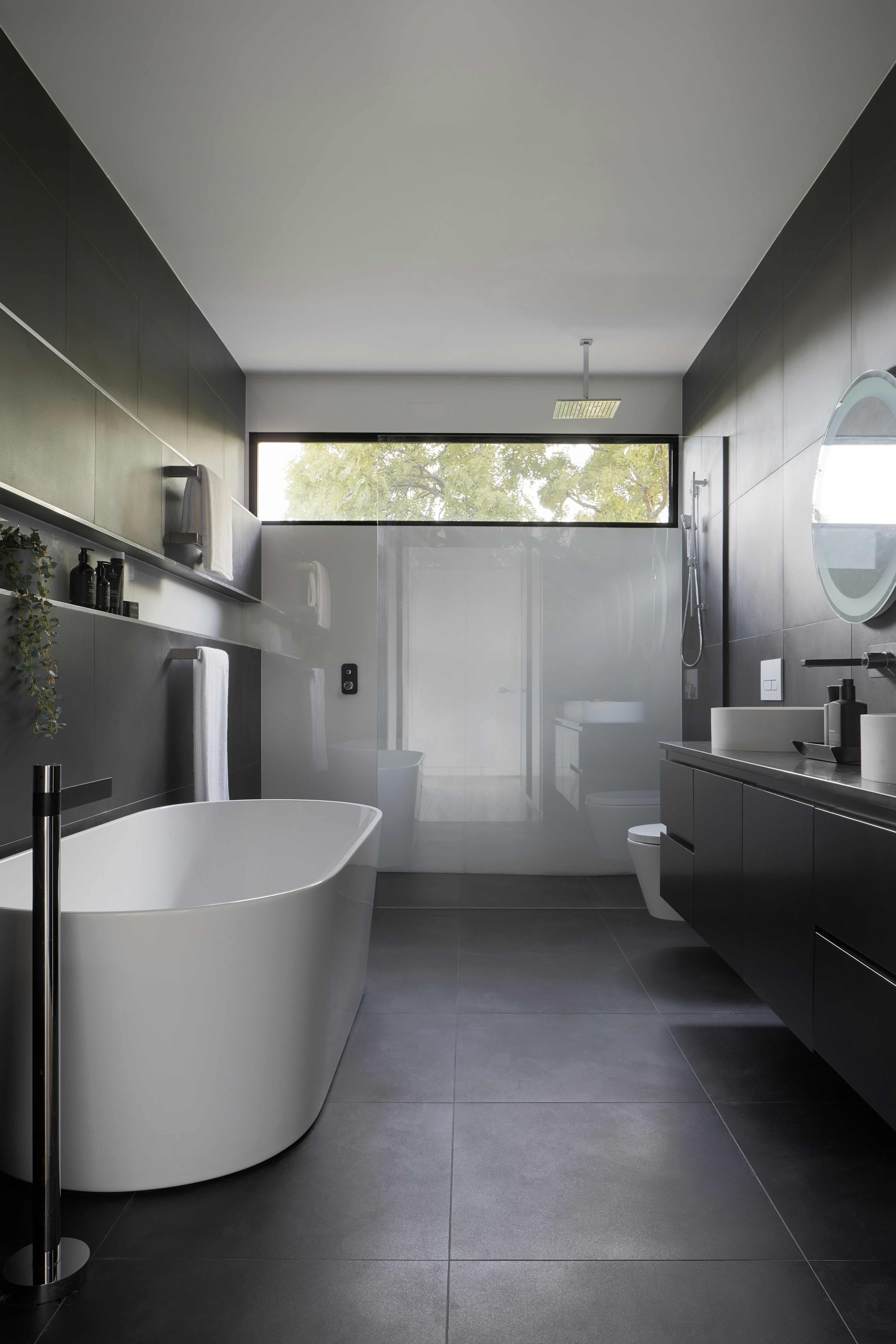
Common preparation issues include:
- Installing tiles over uneven concrete or flooring.
- Insufficient waterproofing in wet areas.
- Dust or debris preventing adhesive bonding.
- Using incorrect underlayment materials.
2. Expansion and Movement Are Often Ignored
Buildings naturally expand and contract due to temperature changes and structural settling. Without proper expansion joints, tile surfaces experience pressure that leads to lifting or cracking.
Outdoor patios and large indoor floors are especially vulnerable when movement gaps are not included during installation.
3. Incorrect Adhesive Selection
Not all tile adhesives are designed for every environment. Moisture exposure, heat, and surface type determine which bonding materials should be used.
For example:
- Bathrooms require moisture-resistant adhesives.
- Outdoor tiles need flexible, weather-resistant bonding.
- Large-format tiles require specialized mortar for weight support.
Guidelines for proper adhesive selection can be found through the Tile Council of North America (TCNA) , which publishes installation standards used globally.
4. Grout Problems Start Earlier Than Most People Think
Grout is often viewed as cosmetic, but it plays a critical structural and protective role. Poorly sealed grout allows water penetration beneath tiles, weakening adhesives over time.
Signs of early grout failure include:
- Dark staining or discoloration.
- Cracking between tiles.
- Persistent damp smells in bathrooms.
- Loose or hollow-sounding tiles.
5. Moisture Is the Silent Destroyer
Bathrooms, kitchens, and exterior spaces expose tile systems to constant moisture changes. Without proper waterproof membranes, water slowly damages the substrate beneath the tiles.
This damage often remains hidden until tiles begin lifting or mold appears.
Homeowners can learn more about moisture control from building science resources provided by Building Science Corporation .
6. Large Tiles Require Different Installation Techniques
Modern design trends favor large-format tiles, but these tiles require nearly full adhesive coverage underneath. Air gaps create pressure points that eventually lead to cracks under normal foot traffic.

Professional installers often use back-buttering techniques to ensure strong bonding across the entire tile surface.
7. Simple Maintenance That Extends Tile Lifespan
Homeowners can significantly extend the life of tile installations by following basic maintenance practices:
- Seal grout lines annually in wet areas.
- Clean using non-acidic products.
- Repair cracked grout immediately.
- Avoid heavy impacts on tile edges.
- Check for water leaks near tiled surfaces.
Final Thoughts
Tile installations are designed to last decades, but longevity depends on preparation, materials, and maintenance rather than appearance alone. Understanding these hidden factors allows homeowners to prevent costly repairs and keep tiled spaces looking new for years.
Additional homeowner tile care tips are available through Family Handyman tile guides , which explain practical upkeep and installation principles.
A well-installed and properly maintained tile surface remains one of the most durable finishes a home can have — when the fundamentals are done correctly.