Pest problems rarely begin overnight. In most cases, insects and rodents enter homes gradually, attracted by food sources, moisture, and shelter. While temporary treatments may remove visible pests, long-term prevention requires addressing the conditions that allow infestations to develop.
Understanding pest behavior helps homeowners reduce risks before problems become costly or difficult to manage.
1. Small Entry Points Cause Big Problems
Many pests enter homes through openings that are almost invisible. Tiny cracks around windows, doors, plumbing lines, and roof spaces provide easy access.
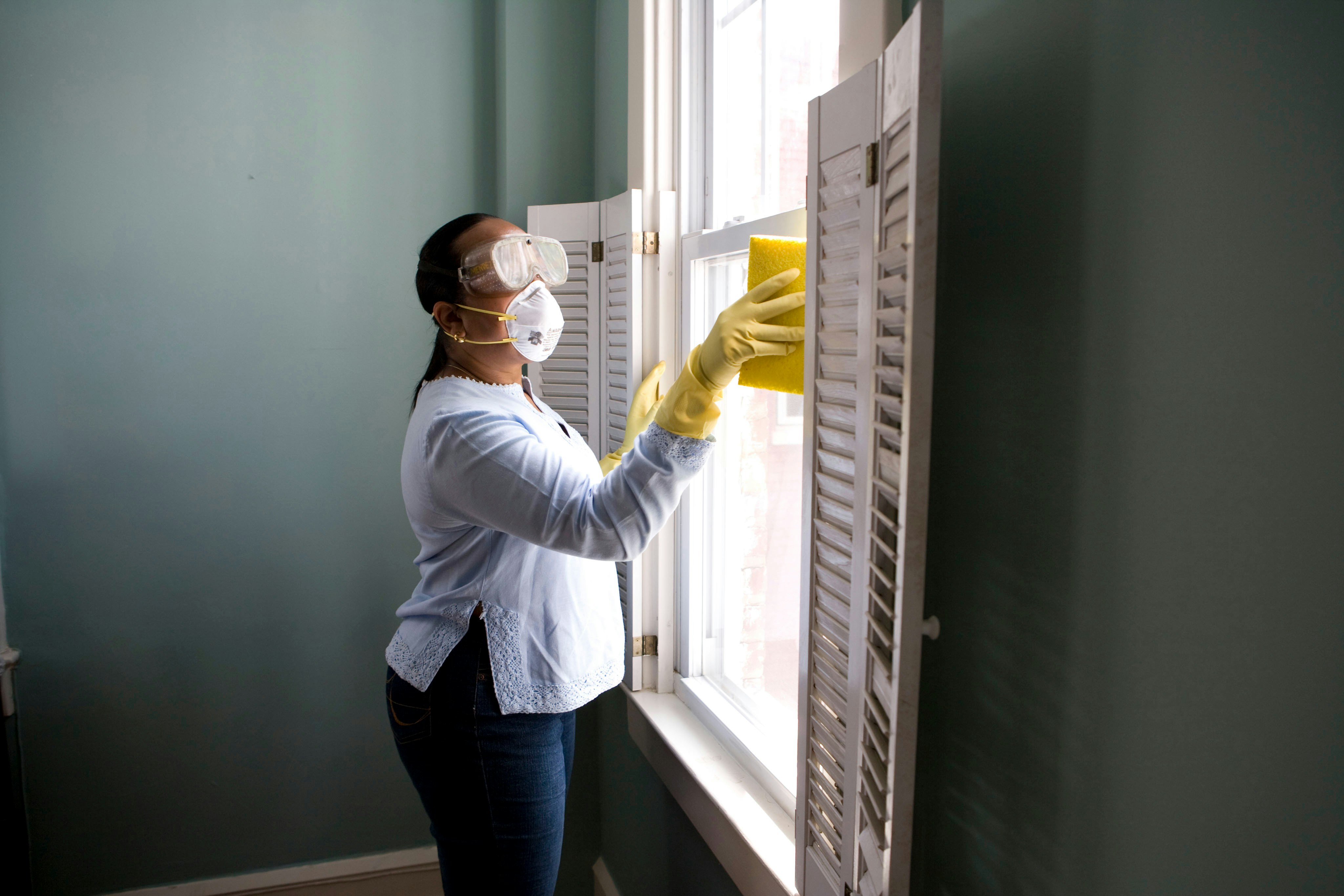
Sealing gaps and repairing damaged weather stripping significantly reduces pest entry opportunities.
2. Moisture Attracts Most Household Pests
Water sources are one of the strongest attractors for pests. Leaking pipes, clogged gutters, and poor ventilation create environments where insects thrive.
- Cockroaches prefer humid environments.
- Termites are drawn to damp wood.
- Mosquitoes breed in standing water.
Managing moisture levels inside and outside the home is often more effective than repeated chemical treatments.
3. Food Storage Plays a Bigger Role Than Expected
Even small food residues can sustain pest populations. Open containers, crumbs behind appliances, and unsealed garbage bins provide consistent feeding sources.
Proper storage using sealed containers and regular cleaning reduces pest attraction dramatically.

4. Seasonal Changes Influence Pest Activity
Pests behave differently throughout the year. During colder months, rodents and insects often move indoors seeking warmth, while warmer seasons increase breeding activity.
Preventative inspections before seasonal transitions help reduce sudden infestations.
Educational resources from the U.S. Environmental Protection Agency pest prevention guide explain how environmental management reduces pest risks safely.
5. Landscaping Can Invite or Prevent Pests
Outdoor conditions strongly influence indoor pest activity. Overgrown vegetation, stacked firewood, and debris near walls create shelter close to entry points.
- Keep plants trimmed away from walls.
- Avoid standing water in containers.
- Store wood away from foundations.

6. Why DIY Treatments Sometimes Fail
Many over-the-counter pest treatments address visible insects but fail to eliminate nesting areas or breeding sources. Without removing root causes, pest populations quickly return.
Long-term control focuses on prevention strategies rather than repeated reactive treatments.
7. Simple Prevention Checklist
Homeowners can reduce pest risks by following routine habits:
- Seal cracks and openings.
- Fix leaks promptly.
- Store food in airtight containers.
- Clean drains regularly.
- Remove outdoor debris near structures.
Final Thoughts
Effective pest control begins with understanding why pests appear in the first place. By reducing moisture, eliminating food sources, and sealing entry points, homeowners can prevent infestations before they start.
A proactive approach creates healthier living environments while minimizing the need for repeated treatments and unexpected pest problems.